
How a karate champ kicked her way out of pre-diabetes
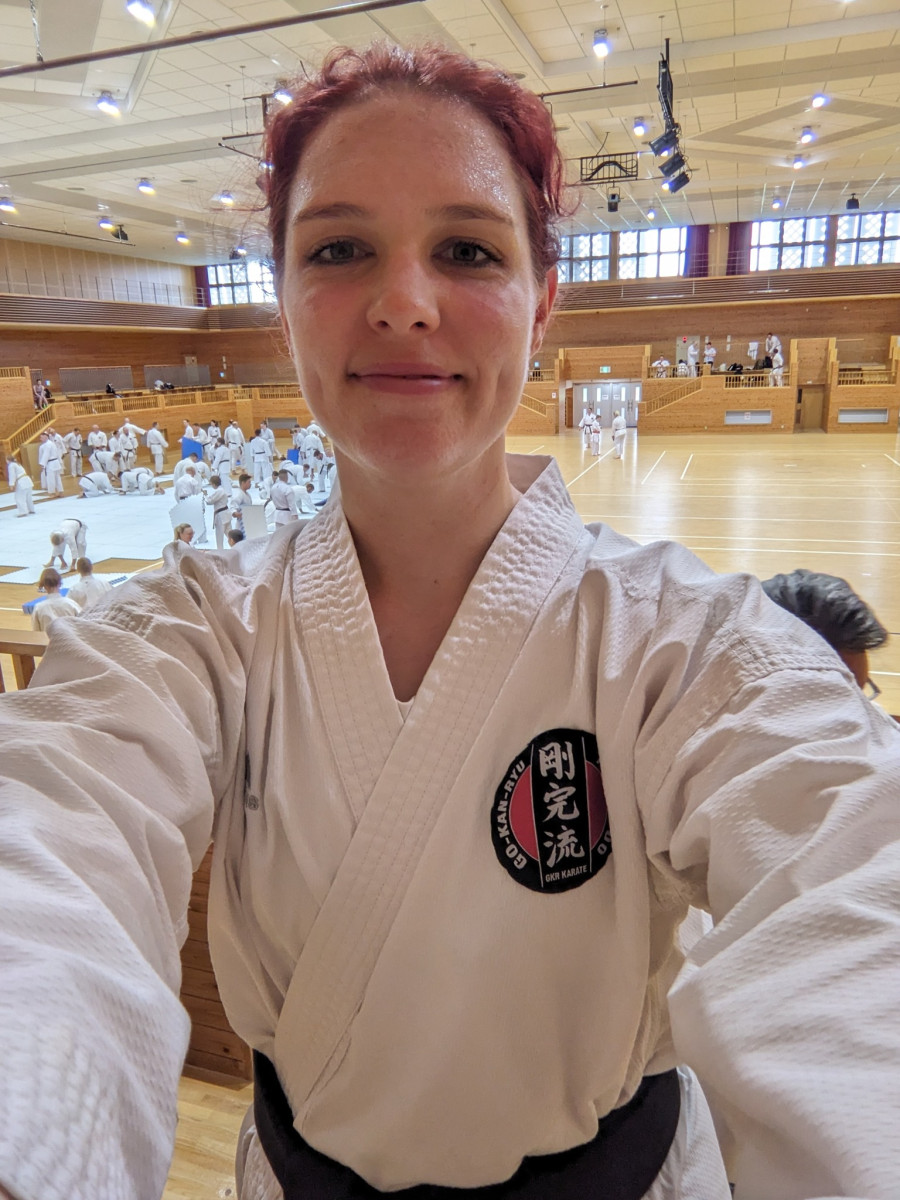
From pre-diabetic to karate champion, Natalie tells us how she grabbed the reins on her health to turn her diagnosis around and claim victory on her health.
“I have to change. I can’t go there.”
A shock diagnosis of pre-diabetes kick started a healthier lifestyle for Natalie.
Aged 25, she was not about to just continue with the “same old same old” and hope for the best – her dad had diabetes and she knew how debilitating it can be.
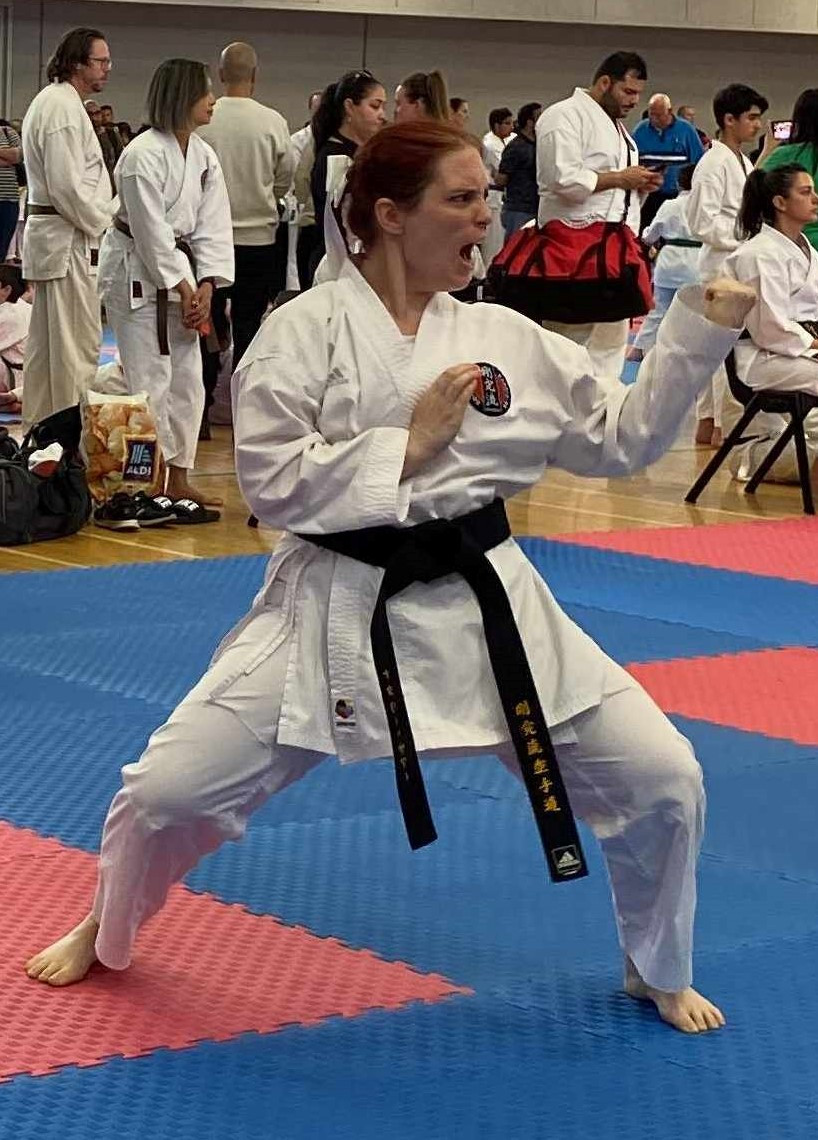
Despite initial fear, her lifestyle changes, including diet and exercise, boosted her confidence to take up karate, and she is now a black belt instructor who competes internationally.
The diagnosis
For people with pre-diabetes, weight loss, a healthy diet and regular exercise can prevent progression to type 2 diabetes in up to 58% of cases.
Natalie is living proof it can work, and nine years on, she’s fit, healthy and no longer pre-diabetic.
"I went to see my doctor because I was having some gut issues. My doctor knew my dad was diabetic and ordered blood tests to find out what was going on. It turned out I was pre-diabetic,” she says.
“My first reaction was shock. I was a disappointed that I'd let myself go like that. Once I got past the news, I was just determined.”
Making the changes
Natalie says she told herself: “I have to change. I can’t go there.”
Initially, it was small, incremental changes.
“Pre-planning keeps me on focused by setting my meals up for the whole week, so I don’t have to think about it. The less I think about it, the less I think about other options,” she says. “After about six months of some gym training, working on my food and losing a little bit of weight, I built up the confidence to start karate.
“I recall walking into the Dojo for the first time, which is the hardest thing. But I felt better in myself that I could do that and that I could actually go somewhere with this.
Natalie encouraged others to be proactive about their health.
“If you haven't had a health check for a while, just do it,” she says.
“You don't know what's there or what's hiding. But it's all important to pick up early, to give you the best chance at reversing it if you can.”
What to look out for
There has been a staggering 44% increase in the number of young Australians diagnosed with diabetes in the past decade.
Bupa telehealth coach and dietitian Morgan Sandeman says pre-diabetes can be silent and often has no symptoms.
“A GP may order blood tests if you have risk factors including being overweight, physically inactive or have high cholesterol. You may have other risk factors that you can’t change, like your age, a family history of diabetes, ethnicity or a history of gestational diabetes or polycystic ovarian syndrome,” she says.
“The great news about pre-diabetes is that it can often be reversed if it’s caught early enough. If you don’t get onto it quickly however, it can progress to type 2 diabetes, which could eventually lead to complications with your feet, eyes, kidneys or other organs.”
Ms Sandeman says alongside GP support, there is other help available for you, this may include the Bupa Health Coaching program or other healthy lifestyle support programs.

Take the health check
The first step is often the hardest but is also the key.
Type 2 diabetes is a health condition where your body struggles to turn glucose (sugar) from food we eat into energy due to problems with the hormone insulin. Over time, type 2 diabetes can cause serious complications.
Take the online health check here and learn more about Type 2 Diabetes. bupa.com.au/campaigns/get-well/type-2-diabetes
Watch Natalie share more of her story. https://youtu.be/aypFakgFVpk


