
How Vali defied a silent killer
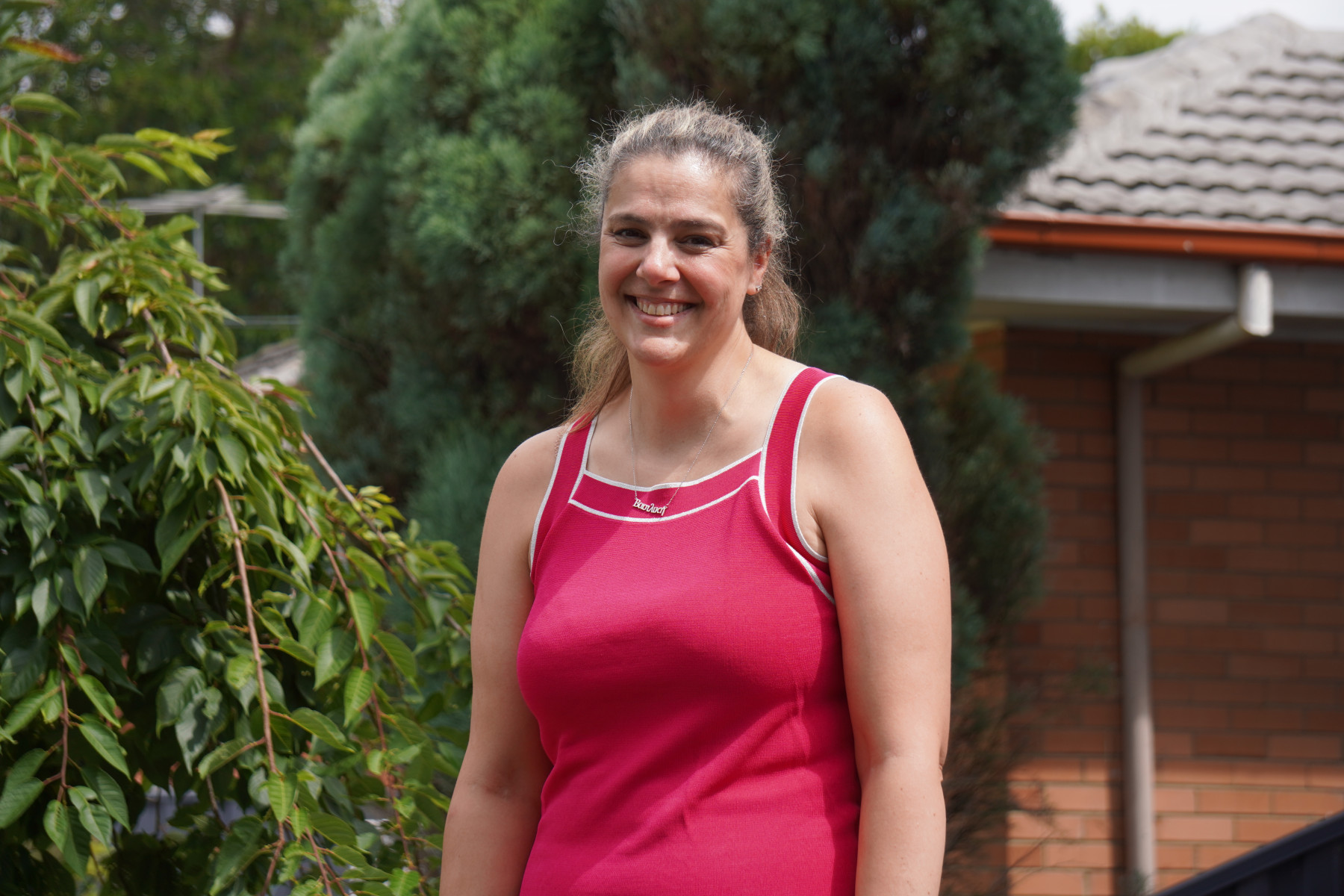
Vali lost both ovaries to cancer - fought to survive and then to become a mum.
Ovarian cancer robs the lives of more than half of those diagnosed, within five years.
The mere fact Vali is here to tell her story, more than 25 years after her first diagnosis, is nothing short of miraculous. She’s endured more than 30 surgeries, drawing on seemingly endless strength and self-proclaimed stubbornness to survive.
At 16, Vali first suspected something was seriously wrong, and recalls doctors dismissing symptoms and pain as just part of her periods and nothing more.
An accomplished basketballer, and someone who knew her body, Vali eventually changed doctors when she was 19. That’s when she was then diagnosed with endometriosis and underwent surgery, which revealed Vali’s right ovary was a solid tumour - and was removed.
“I knew something wasn’t right, but I guess I wasn’t confident enough to keep advocating for myself. For three years that cancer was able to keep growing and the impact on my body became even greater,” Vali said.
I knew something wasn’t right, but I guess I wasn’t confident enough to keep advocating for myself.

“Thankfully the tumour I had was slow growing and I think one of the reasons I survived.”
Five years later, aged 24, Vali became unwell again and doctors discovered 15 tumours in her abdomen, leading to her other ovary being removed.
“There was no time to have any eggs frozen so the prospect of me becoming a mum in the traditional sense seemed almost impossible,” she said.
“A few months before I was married, I became part of a clinical trial to help me become a mum.”
The prospect of me becoming a mum in the traditional sense seemed almost impossible.
Doctors used frozen tissue from Vali’s second ovary and implanted into her abdomen allowing her to start IVF treatment.
“For anyone who’s ever done IVF, you’ll know it’s a rollercoaster,” she said.
After 17 failed cycles, she had it in her for just one more go.
“On that cycle, I became pregnant with my twin girls and despite a challenging pregnancy, they arrived at 37 weeks – full term for twins,” she said.
“After my girls were born, my doctors checked to see if I had any tumours. Pregnancy hormones, especially having twins, it was a risk. They found cancer on my diaphragm and when they removed it my lung collapsed which sent me into ICU in a different hospital."
“I worked so hard to have my girls and after all that, I could have died without knowing them."
“Now, they’re both in Grade Six and have been fundraising for the Ovarian Cancer Research Foundation. One wants to become a doctor and the other wants to become a research scientist to support women like their mum.”
I worked so hard to have my girls and after all that, I could have died without knowing them.
Bupa Medical Advisor, and practicing GP, Dr Suanu de Jong describes ovarian cancer as a silent killer.
“We don’t yet have a screening program, or even an early detection test for ovarian cancer, and there’s often no obvious symptoms until the cancer is advanced,” Dr de Jong said.
“I would encourage you to have regular check-ups, whether you’re sick or not. If you do have symptoms – no matter how vague, discuss them with your GP and don’t try and explain them away.”
“It’s my role as a doctor to make space for you to tell me your symptoms including your concerns, then try and piece together what’s going on. If there’s nothing immediately obvious and symptoms persist, I’ll advise you to come back so we can look into it further.”


