
It’s just a different kind of fellowship
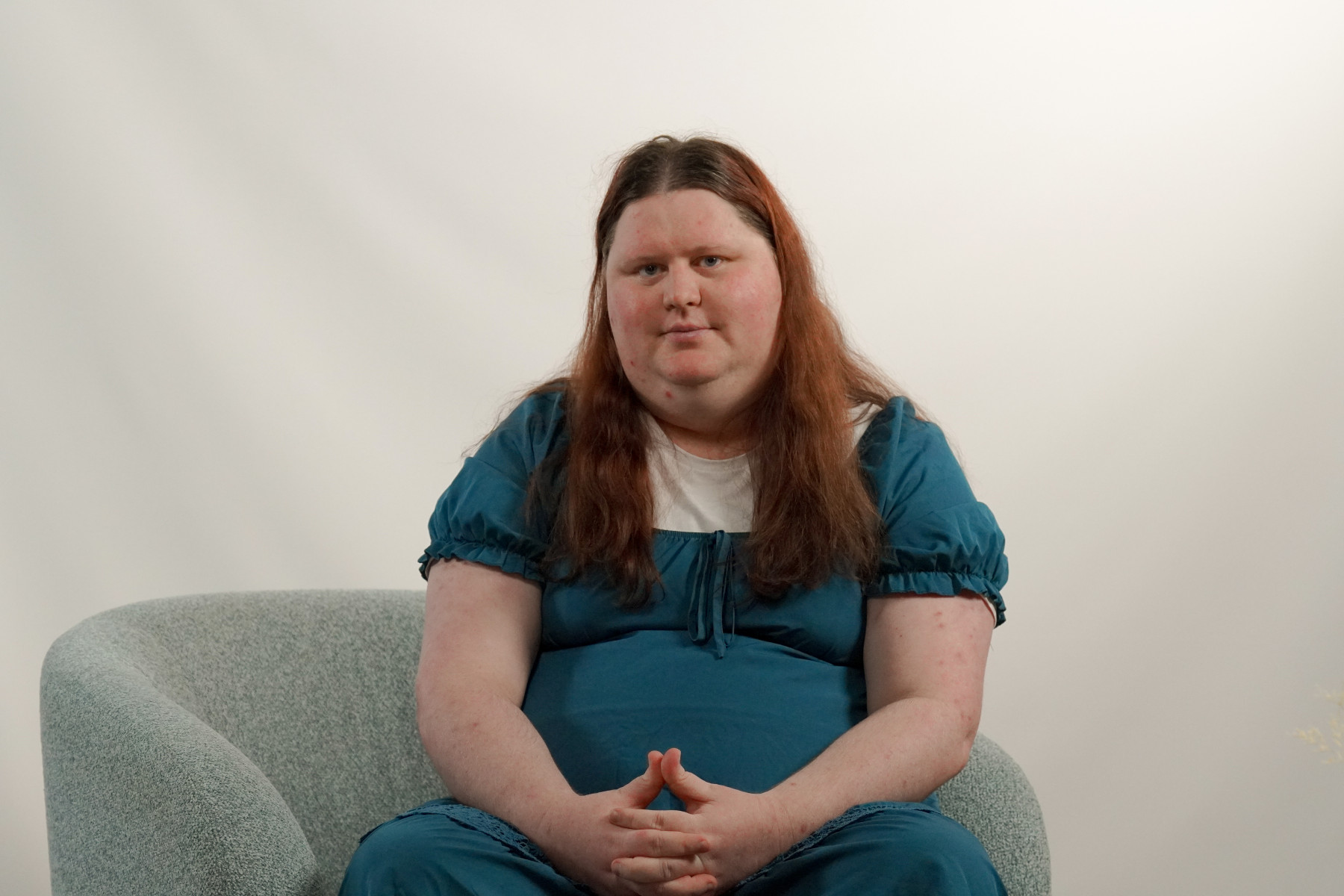
When Bupa team member Anya Price first heard the term IDAHOBIT, she thought she’d misheard it.
“I thought it was ‘I’m a Hobbit’!” she laughs.
“But honestly, it still kind of works. It’s just a different kind of fellowship.”
It’s exactly the kind of answer you’d expect from Anya, who’s funny, warm and a little unexpected.
But beneath the humour is something important.
IDAHOBIT is about standing against discrimination faced by LGBTQIA+ communities and recognising that visibility, allyship and inclusion still matter.
For Anya, those things are deeply personal.
By day, Anya works in Bupa’s Customer Relations team and co-leads Bupa Pride. Outside of work, she’s a lifelong gamer, former improv theatre facilitator and someone who believes humour can change almost any interaction.
Even difficult ones.
“Even when I’m dealing with frustrated customers, I’ll try to crack jokes to help make them smile and build rapport,” she says.
Feeling safe and included at work can be as simple as being comfortable enough to use the correct bathroom and not feeling like someone’s going to cause a hassle.

“My favourite thing is when I realise someone shares a birthday close to mine. It instantly changes the mood.”
For Anya, humour helps build trust.
“Something I learned from theatre is the idea of swift trust. That instant connection where people feel safe with you. A joke can do that.”
Creating safe spaces matters to Anya because she knows what it feels like when acceptance isn’t guaranteed.
She says she first felt a sense of who she really was as a teenager.
“For the first time, I was allowed to grow my hair long,” she says.
“When I pulled it forward, I looked almost identical to my sister. It was both a little creepy and amazing.”
But understanding what that meant took time.
Like many trans people, Anya spent years trying to convince herself otherwise.
“When I was younger, I kept repeating to myself, “That’s not what normal people do.”
Today, her message to that younger version of herself is simple.
“It is normal. It is okay. It is fine. And you’re going to be so much happier when you stop resisting it.”
Three years ago, Anya transitioned after moving to Melbourne.
Unexpectedly, social media became a source of understanding and connection.
“Trans creators started sharing their stories, and for the first time, I could actually relate.”
Gaming communities helped too.
Anya plays Warframe, a game she describes as welcoming and supportive. She even customised her in-game character in the colours of the trans flag.
“The comments are always positive. People are just like, ‘Hell yeah. Go for it.’”
That sense of belonging shaped how she thinks about inclusion more broadly.
“Community support is everything,” she says.
Whether at work, with friends or even in everyday moments.
She remembers walking past a pastry shop she had no intention of entering.
“The person behind the counter said, ‘Excuse me, ma’am, would you like to buy something?’ and instantly I was like… yes.”
That small moment of recognition meant more than they probably realised.
Inclusion is often found in moments that seem small.
“Feeling safe and included at work can be as simple as being comfortable enough to use the correct bathroom and not feeling like someone’s going to cause a hassle,” Anya says.
Even when I’m dealing with frustrated customers, I’ll try to crack jokes to help make them smile and build rapport.
She believes visibility matters too.
“As much as policies say a place is inclusive, having visible reminders makes a difference. Pride flags, posters, signs that show support. It’s the difference between being told something and actually experiencing it.”
For Anya, genuine allyship is easy to spot.
“When something is genuine, it feels genuine. When it’s performative, something feels off.”
Her advice for people wanting to better understand trans experiences?
“Treat people how you’d want to be treated.”
“If you wouldn’t want someone questioning who you are, why would you do that to someone else?”
IDAHOBIT is a reminder that creating safe, inclusive spaces matters.
And sometimes, that starts with something simple.
Making someone feel seen.
Making someone feel safe.
Making someone feel like they belong.


