
What I want you to know about breast cancer
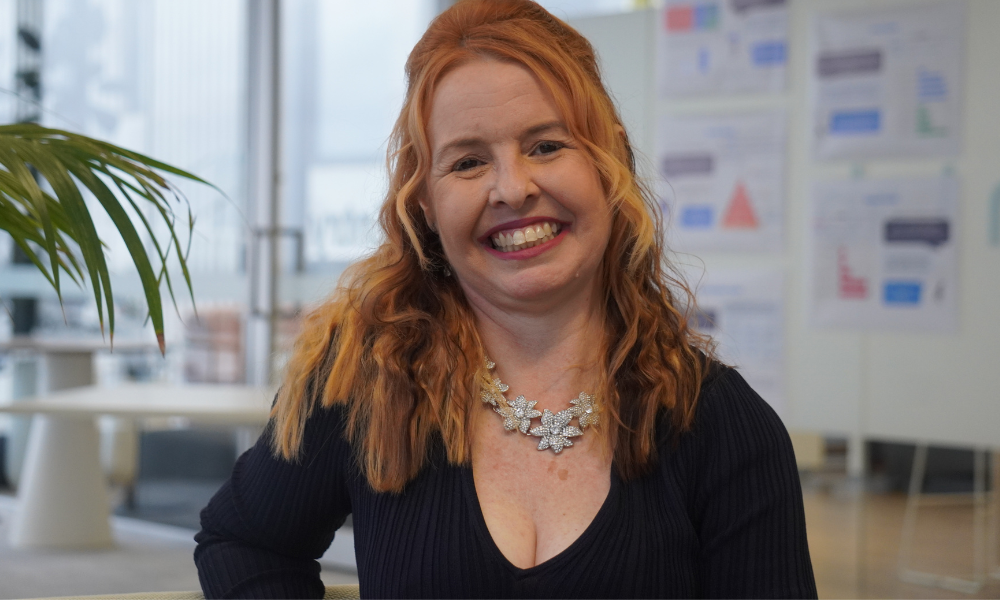
This Breast Cancer Awareness Month, Cherie shares her story, giving hope to those diagnosed and advice to those around them.
When I was diagnosed with breast cancer, a dear friend of mine came up to me and put her hand on my shoulder. That’s all she did and walked away – that was such a powerful statement, and it didn’t draw attention to anything else but to let me know “I’m here”.
I know people want to help and it comes from their best place. But for me, I just wanted them to not assume or try and fix anything, just be present and listen. I always say, if you can offer practical support, even if it’s not taken up, I’m sure it would be appreciated.
People shouldn’t try to make assumptions about another person’s diagnosis. Often people when they find out I’ve had breast cancer, they say “oh that’s the good one”.
There is no good cancer. Everyone’s journeys are different.
The diagnosis
I had just been through a relationship breakdown and lost weight. That’s when I felt a lump on the underside of my left breast and immediately made an appointment with my GP who referred me for a mammogram and ultrasound.
The mammogram came up clear and I had to push for the ultrasound, because there was a lump and my doctor had requested both tests. I’m so glad I did because that potentially saved my life.
Then following my biopsy, I got the news I’ll never forget. My doctor said: “It’s not the news we wanted. You have breast cancer.”
There was no history of breast cancer in my family and I was just 39-years-old at the time. It’s been a wake-up call for a lot of people in my family and they’re now getting checked on a regular basis.
If you do have breast cancer symptoms and you’re not getting an answer, fight for yourself or get a second opinion. You know your own body and if something’s not right.
Often people when they find out I’ve had breast cancer, they say “oh that’s the good one”. There is no good cancer. Everyone’s journeys are different.

The treatment
Fortunately, I was in a town with a great doctor and team behind me. The McGrath Breast Cancer nurse came to all of my appointments and was able to translate the clinical words because my head was spinning.
I had a lumpectomy and lymph nodes removed, followed by six weeks of radiation therapy and ten years of medication, which I’m still on, but I’m still here and living life the best way I can.
I spoke with the Bupa dieticians not long after I was diagnosed, because I wanted to be the best version of myself throughout all of this. It’s very easy to lose your appetite and they were really helpful and encouraged me to eat small, frequent meals – which I still do.
Everyone’s cancer journey is different
The type of breast cancer I had means I will never be in remission. While there’s no evidence of disease, it does mean ongoing scans and tests that mean a lot of anxiety. I am all over the place in the days leading up to them and then the wait for results feels like forever. When something goes wrong with my body, like my first frozen shoulder, which basically meant my shoulder was incredibly painful and I wasn’t able to move it. So, my first thought was is the cancer back?
I think a lot of people assume if you’ve finished your active treatment that you’re not a cancer patient anymore. I’ll be a cancer patient, in one form or another, for the rest of my life.
What you see in front of you isn’t always what’s happening behind closed doors. I put on a smiling face but sometimes, I’m just exhausted and fatigue is really a silent disability that you can’t see.
I don’t pretend that mine was an easy one. I was very fortunate not to need chemotherapy, but the radiation therapy burnt me internally which left me with heart issues.
I’m really back into my fitness and I am working with a physio each week to rebuild muscles. I also find solace in playing my bass trombone in a band. When things get down, I play my music and it’s a non-negotiable.


